

How Often Should You Dermaplane?

Dermaplaning is a simple and safe aesthetic procedure for exfoliating the epidermis and ridding the skin of fine vellus hair. Because dermaplaning is a quick procedure with few to no adverse effects, it has quickly gained popularity among medical professionals across the country. 

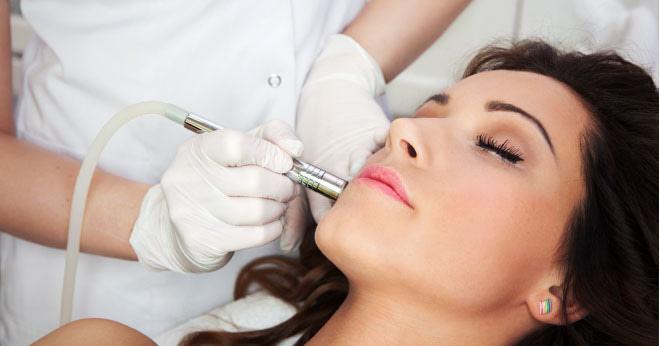
During the procedure in Phoenix, Dr. Holy uses a scalpel and delicate touch to gently scrape the surface of the skin using light feathering strokes. The dermaplaning process takes about 30 minutes and leaves the skin soft and smooth with few to no adverse effects.  

Men and women of all ages can benefit from dermaplaning. Important factors that help to determine the effectiveness of treatment include:

  • Skin type
  • Skin coloring
  • Medical history

This is a great treatment for patients who are pregnant or nursing who want skin exfoliation but are not allowed to use peeling agents on their skin because of the risk that the chemicals will be absorbed into the blood stream. It is also a great choice for patients who have excess vellus hair on the skin. This hair often causes a buildup of dirt and oils in the follicles, so removing the hair gives the patient healthier looking skin. 

Possible short-term side effects are:

  • Red and swollen skin. It may appear scraped for several days.
  • Tingling, burning or aching may occur.
  • Swelling and scabbing may occur.
  • As the new skin begins to grow, it may appear and feel swollen. The skin may also be sensitive and bright pink in color. Protection from the sun is very important following this type of procedure.

Many patients are often concerned that the hair will grow back heavier and darker after dermaplaning. This is not the case. As long as the hair is superficial vellus hair, it will grow back at the same rate and texture as before the treatment.

For best results, most patients should dermaplane about once a month. Because our skin naturally sheds dead skin cells on average every 28-40 days, this ensures the old skin cells are removed and new, healthy skin cells are visible. In some cases, more or less frequent visits may be recommended based on the patient’s specific needs.

To schedule a dermaplaning treatment in Phoenix, contact THE CENTER for Advanced Dermatology at 602-867-7546 or website.

Posted: September 4, 2021 By:

How Can I Keep My Skin Looking Young?

Most people want to look young as long as they possibly can. Thankfully, there are practices you can do to keep your skin looking young and reduce the amount of anti-aging treatments or aesthetic products needed.

In Phoenix, Dr. Holy recommends a proactive approach to preventing skin aging. Let’s take a closer look at some tips to help maintain your skin in a healthy- and young-looking state.

Sun Exposure: 

Properly dealing with sun exposure helps prevent many skin-aging problems ranging from wrinkles to skin cancer.

  • For maximum skin aging prevention, avoid sun exposure on the skin during the hours that the sun is most intense.
  • Wear a hat, protective clothing and sun ray blocking glasses to guard against exposure, especially during peak hours.
  • Use appropriate sunscreen offering UVA and UVB protection (broad spectrum protection). Sun Protection Factor (SPF) should be greater than 15 and applied at least 20 minutes before the skin is exposed to the sun; sunscreen should be reapplied after swimming or heavy sweating.
  • Use antioxidant topical products (usually include ingredients such as vitamins A, C, E, selenium, coenzyme Q10 and alpha-lipoic acid) to protect the skin from sun damage and premature aging; antioxidants neutralize free radicals which will cause damage to skin cells.
  • Avoid using tanning beds.
  • Avoid sunburns.

Diet and Health:

  • Adequate fluid intake (6 to 8 glasses of water per day) is essential for hydrating skin, flushing out toxins from the body, and for aging prevention.
  • A diet with plenty of whole grains, fresh fruits and vegetables, use of healthy oils such as olive oil or flax seed oil and reduction of saturated fats helps protect the skin.
  • Exercising regularly helps promote capillary functioning, brings oxygen to the skin which is important for healthy skin and flushes out body toxins.
  • Avoid stress.
  • Avoid large weight fluctuations.
  • Get adequate sleep.
  • Quitting smoking is effective in skin aging prevention.
  • Not smoking prevents the formation of skin wrinkles, yellowing of the skin, certain types of skin cancer and the breakdown of collagen in the skin.

Dry Skin and Itching:

  • Clean the skin, exfoliate the skin surface gently to remove dead skin cells and moisturize the skin regularly especially in cold and dry climates to prevent dry skin.
  • Avoid the use of fabric preservatives, harsh detergents, bleaches, and harsh soaps in order to prevent allergic type itching.

The skin you have now is the only skin you’ll ever get. Keeping it at its best starts with how you treat it every day. With proper skin care to pamper skin from the outside and with a good diet to nourish from within, healthy skin is achievable with simple steps. Should you ever notice any problems, get medical attention to resolve them quickly and avoid putting your skin at risk. If you have concerns about aging skin or other aesthetic issues, contact THE CENTER for Advanced Dermatology in Phoenix at 602-867-7546 or website.

Posted: August 25, 2021 By:

How Does Botox Work?

When it comes to reducing wrinkles, the first thing most people think of is Botox. Botox treatment in Phoenix can gently smooth out wrinkles and leave your face looking refreshed and more aesthetically pleasing.

How Botox Works

As your facial muscles contract, the overlying skin is pushed and pulled in different directions. These repetitive actions lead to the formation of wrinkles. To smooth these lines, the muscles responsible for them need to relax. Botox breaks the communication chain between muscles and nerves, leading to forced muscle relaxation. 

Common uses for Botox include:

  • Soften crow’s feet
  • Remove frown lines between brows
  • Smooth the forehead
  • Smooth lip lines 
  • Prevent chin dimpling
  • Lift the corners of the mouth
  • Freshen your look

Botox Treatment 

Botox injections are very simple to perform and usually take less than 5 minutes per facial area. A topical anesthetic is typically used to ensure comfort during the treatment. During Botox treatment in Phoenix, Dr. Holy uses a tiny micro-needle to very precisely inject the botulinum toxin type A serum into select facial muscles.

Some patients see results within a few days, while most see results by one week. Within 1-2 weeks of the Botox injections, the treated facial muscles become temporarily relaxed, causing the overlying skin to lay flat and unwrinkled. The untreated facial muscles contract in a normal fashion, allowing normal facial expression to be unaffected.

Although individual results vary, most patients can expect significant wrinkle reduction for about 4 months following the Botox injections. To maintain the desired wrinkle reduction effects, treatments can and should be repeated about every 4-5 months. The results tend to last longer with subsequent treatments.  

When to Begin Botox Treatment

Botox is one of the most popular wrinkle treatments available – among many different age groups. Middle-aged patients with existing facial lines use Botox to regain youthful skin. And younger patients (even some in their 20s) choose Botox to prevent wrinkles from ever forming. Depending on your aging concerns, taking an offensive approach to facial lines may be the ideal plan.

Botox is just one of several aesthetic procedures to reduce facial wrinkles. If you’re frustrated with lines on your face, contact THE CENTER for Advanced Dermatology at 602-867-7546 or website to schedule an appointment with Dr. Holy to determine the best wrinkle reducing option for you.

Posted: August 18, 2021 By:

Does Kybella Hurt?

Kybella is a non-surgical procedure capable of eliminating a double chin and dramatically improving one’s appearance. Kybella is an injectable solution that is placed beneath the chin to permanently destroy the fat cells that cause a double chin. The active ingredient in Kybella, synthetic deoxycholic acid, is a naturally occurring molecule in our body that helps break down the fat. Your metabolism processes the fat cleared from the treatment area. 

It’s a simple process and the whole procedure takes 15-20 minutes. It could even be performed over your lunch break. Every patient is different, but the benefits of Kybella can generally be seen after as few as 2-3 treatments. In some cases, as many as 6 treatments might be necessary to receive the maximum benefit. 

Kybella treatment should not hurt but may be a little uncomfortable. Once the chin area is sterilized, a numbing cream is applied to help with discomfort then several quick injections are administered. The Kybella procedure feels like a slight pricking sensation. Most discomfort subsides in minutes and most patients can return to work and most daily activities right away.

About 5-10 minutes post-injection some people experience a burning sensation that lasts 5-10 minutes and can be relieved by using ice packs. There is a large amount of swelling after Kybella is injected under the chin in the submental region. This is expected and is a desired outcome as the inflammation is occurring from destruction of fat cells. This swelling typically lasts 3-7 days. You may have slight swelling of the area for up to a month.

It is important that Kybella be administered by a highly trained professional for your safety and optimal results. To learn more or to schedule an appointment with Dr. Holy, contact THE CENTER for Advanced Dermatology at 602-867-7546 or website today.

Posted: August 11, 2021 By:

How Long Does Laser Skin Resurfacing Last?

Laser resurfacing uses powerful lasers to remove several layers of the epidermis, encouraging your skin to produce new, firmer and smoother skin and enhancing the production of firming collagen in your skin. Laser skin resurfacing is a proven way to help reduce wrinkles, age spots, acne scars and other blemishes as well as tighten skin and balance tone. These powerful lasers essentially burn away damaged skin, leaving your skin looking red and feeling raw for several days to weeks after the treatment. 

Laser skin resurfacing recovery varies according to several factors including the type of laser used, the location of the treatment and the individual patient’s skin type.

While recovering from laser skin resurfacing in Phoenix, you can expect to experience certain side effects. Some patients experience swelling, itching, crusting and tenderness. Redness typically lasts between 6 and 12 weeks after treatment. You may notice pigment changes in your skin which can include darker skin tones. Bleaching or peeling of the skin can help lighten darkened areas. You also run the risk of losing color in the treated area for up to 12 months after the procedure. In some patients, effects can be permanent. 

Careful skin care is required during laser skin resurfacing recovery. It’s important to use gentle cleansers and moisturizers, avoid the sun, smoke and follow any additional post treatment instructions.

Patients most often request laser resurfacing treatments for the face, since it’s first thing you, and most people, notice. Aside from smoothing and creating a uniform texture of the skin of the face, laser skin resurfacing can also be tailored to improve the skin of the neck, chest, hands or other areas that may appear irregular. Repeat sessions are almost always suggested for optimal results.

If you are considering laser treatments to improve your skin, we invite you to schedule an appointment with Dr. Holy. Contact THE CENTER for Advanced Dermatology at 602-867-7546 or website today. 

Posted: August 4, 2021 By:

Can Platelet Rich Plasma Help with Hair Loss?

Are you suffering from hair loss? Thinning hair? Baldness? At THE CENTER for Advanced Dermatology in Phoenix, we offer a simple treatment to help stop hair loss and stimulate hair growth.

Platelet-rich plasma (PRP) is suitable for both men and women. It is a natural, non-surgical procedure that uses the patient’s own blood for the treatment of hair loss or hair thinning. Our blood plasma (PRP) contains active growth factors which can promote hair growth. Helping to restore one’s confidence, the end result is a fuller, healthier looking head of hair. 

During treatment in Phoenix, Dr. Holy draws the blood into test tubes from the patient’s arm, then spins the blood with a tool called a centrifuge. Blood is composed of white blood cells, red blood cells, platelets, plasma and numerous other components. The centrifuge separates these components, enriching the plasma several times over with the platelets. Once the centrifuge spin is completed, Dr. Holy is able to draw out just the plasma. With a thin needle, the patient’s own platelet-rich plasma is then injected into the scalp. Then the growth factors in the blood cells do their job and hair growth is naturally stimulated.

Advantages of PRP for hair loss include:

  • Simple, non-surgical procedure
  • Safe and reliable results
  • Very quick recovery period
  • Natural looking end results

There is no risk of an allergic reaction with PRP therapy because the enriched plasma has been produced from the patient’s own blood. A concentrated amount of white blood cells make up part of the PRP which are the body’s natural defenders against infections. Infections are therefore extremely rare.

Depending upon the patient’s individual needs and treatment plan, PRP treatments can be repeated until the desired result has been achieved. Typically, regular PRP treatment every 3 to 6 months can yield very successful results.

To learn more about PRP to stop hair loss, contact THE CENTER for Advanced Dermatology at 602-867-7546 or website to schedule a consultation with Dr. Holy. 

Posted: July 25, 2021 By:

Chemical Peel for Acne

Acne is one of the most common skin conditions. It frequently affects teenagers but can also continue into or develop in adult life. Although common, many people do not know what acne is or what causes it. 

Acne occurs when the small pores on the surface of the skin become blocked with oil, dead skin cells and bacteria. Each individual pore on the skin opens to a follicle beneath the epidermis. Within these follicles lie a singular hair and a sebaceous gland. The sebaceous gland produces sebum, an oil designed to keep your skin moisturized.

When these oil glands are stimulated by hormonal changes or other factors, they become overactive and pump out excess oil. This oil combines with dead skin cells and bacteria to clog skin pores. Should these substances clump together, a plug will form. As this plug starts to press up against the surface of the skin, the body responds with an accumulation of red and white blood cells to combat any infection, and this results in inflammation and redness. Acne can occur on the face, back, neck, chest, arms, buttocks and any other skin area with a saturation of sebaceous pores.

When topical medications do not provide satisfactory results for treating the appearance of acne, a clearer, healthy-looking complexion may be achieved with a chemical peel for acne or acne scars. 

An acne chemical peel is performed by applying a chemical solution to the skin. The solution causes the skin to blister and peel over a period of several days. As the treated skin comes off, fresh new skin replaces it. This exfoliation caused by the acne skin peel eliminates or reduces the appearance of acne blemishes and scars. Acne chemical peel treatments provide benefits in addition to acne treatment by improving the skin’s pigmentation and make the skin smoother.

Most patients experience a sun burnt look with obvious peeling of the skin in the days after their first peel. This redness and peeling tends to be less pronounced with each consecutive peel. The number of treatments needed is dependent on the individual patient’s skin and the severity of their acne. 

The best candidates for acne chemical peel treatments are people with superficial acne or acne scars. Individuals with severe or very active acne may not be good candidates for acne chemical peels. 

It is important to speak with your dermatologist to determine whether or not a chemical peel is right for you. There are instances when a chemical peel is not recommended, such as during pregnancy or if you have cut or broken skin. It is also not advised to have a chemical peel if you have psoriasis, eczema, dermatitis or rosacea. 

Contact THE CENTER for Advanced Dermatology at 602-867-7546 or website for more information or to schedule an appointment with Dr. Holy. 

Posted: July 18, 2021 By:

Can a Dermatologist Help with Acne?

Acne is a common skin condition – about 85% of us will have it at some point in our lives. With the abundance of over-the-counter acne treatment products available today, it’s easy to forget that acne is not just a cosmetic issue. It’s an actual medical condition that very often should be treated by an acne doctor. Acne vulgaris is a long-term skin disease that occurs when hair follicles become clogged with dead skin cells and oil from the skin. Acne is characterized by areas of blackheads, whiteheads, pimples and greasy skin. It may result in scarring. The resulting appearance can lead to anxiety, reduced self-esteem and, in extreme cases, depression.

So, how do you know when to call a dermatologist about your acne? Here are 5 signs that it’s time:

  1. You’ve Never Been Diagnosed with Acne Before

If you suddenly begin to break out in red bumps on the face, upper chest, back or elsewhere, and you have never before been diagnosed with acne, you should contact your dermatologist.

2.  Your Acne Is Getting Worse Despite Using Over-the-Counter Acne Products  

Mild cases of acne can often be successfully cleared with over-the-counter acne products.  But many cases just don’t respond well to OTC treatments.  In this case, it’s best to see an acne doctor about prescription acne treatments.

If you’ve been treating your acne consistently and your breakouts aren’t getting better, or if your acne seems to be worsening, you should contact your doctor. Your dermatologist can prescribe an acne medication that will give you better results, and will have helpful advice regarding proper acne skin care and home treatment.

3. You Have Moderate to Severe Inflammatory Acne, Nodules or Cystic Breakouts  

If your acne is moderate to severe, or very inflamed, skip the over-the-counter products altogether.  They just aren’t strong enough to improve acne at this level and you’ll waste time and money on products that won’t work for you.

Nodules and cysts are very severe forms of breakouts and should always be evaluated by a dermatologist. These deep blemishes can easily cause scarring, so they should be treated promptly.

4. You Think Your Acne May Be Caused by a Medication  

Certain medications, such as steroids and birth control pills, may cause acne. If you are taking any medications and your skin begins breaking out, let your doctor know.

5. You Are Extremely Upset or Depressed About Your Skin  

Let’s face it — acne can affect more than just your skin, it can affect your life! At THE CENTER for Advanced Dermatology in Phoenix, Dr. Holy has treatment options available that can not only improve your skin, but also help you deal with the feelings of frustration and despair that can come along with acne.

Don’t wait! There’s no reason to just accept acne breakouts. With the right treatment, you can see your skin start to improve in just a few short weeks. Contact THE CENTER for Advanced Dermatology at 602-867-7546 or website today to schedule an appointment.

Posted: July 11, 2021 By:

Do Dermatologists Treat Psoriasis?

Psoriasis is a chronic auto-immune disease that causes a dry, reddish and scaly rash. Originating from the Greek word psora, meaning being itchy, psoriasis is a common skin condition that affects millions of people in the United States. Normally, skin cells reproduce every 21-28 days. With psoriasis, skin cells reproduce at a much faster rate of 2-6 days. The accelerated cell production causes constant shedding of the skin as the older skin cells are replaced with new skin cells. There are various types of psoriasis that can develop from various triggering agents in all parts of the body and require specific treatment based on the severity of the psoriasis.

Plaque psoriasis (psoriasis vulgaris) is the most common form of psoriasis, affecting 80-90% of patients who develop the condition. Characterized by dry, itchy raised and inflamed red lesions covered in silvery white scales, plaque psoriasis appears on the surface of the skin most commonly on the knees, lower back, scalp, nails and elbows, but can appear anywhere on the body. The flaky white skin cells build up on the inflamed area and over time are dislodged and shed.


Inverse psoriasis is found in skin fold areas that are subject to irritation due to sweating and rubbing of the skin such as the armpits, groin, under the breasts or other folds around the genital and buttock area. Bright red lesions, without the white flaky scales, that may appear shiny and smooth in texture are generally the first symptoms of inverse psoriasis.

Guttate psoriasis first appears in childhood/young adulthood and forms many small red spots on the skin, generally on limbs and the scalp.

Pustular psoriasis is a less common form of psoriasis characterized by white blisters of non-infectious pus that surround patches of red skin. 

Erythrodermic psoriasis is the rarest form of psoriasis. Common among individuals who have unstable cases of plaque psoriasis and undefined lesions, erythrodermic psoriasis is an inflammatory form of psoriasis that develops on most of the body’s surface and causes extensive skin shedding, severe itching and pain.      

Dermatologist Dr. Holy specializes in identifying and treating psoriasis and creating the best possible results for psoriasis patients in Phoenix. While there is currently no cure for psoriasis, proper treatment is dependent on the severity, type and location on the skin affected by the psoriasis. Topical treatments, phototherapy and/or systemic medications are common treatments recommended for psoriasis patients. To learn more about psoriasis or to find out how Dr. Holy can help you, contact Med Eye Aesthetics at 602-867-7546 or website.

Posted: July 4, 2021 By:

Side Effects of Microdermabrasion

Microdermabrasion is one of the easiest, safest and most effective anti-aging treatments you can get. The treatment exfoliates dead skin cells and leaves fresh new skin in its place. As microdermabrasion is gaining in popularity and accessibility, it is important to understand the side effects that can happen with this type of skin rejuvenation treatment. Microdermabrasion is considered very safe with only the rarest cases causing anything besides brief, mild side effects. Of course, it’s always best to be prepared for the potential consequences of a treatment, no matter how small. So, here’s a closer look at the most common side effects of microdermabrasion:

Pigmentation Issues: One possible side effect of microdermabrasion is discoloration of the skin, particularly for people who have a darker complexion. Following the treatment, it is possible to see slight unevenness in the pigmentation.

Redness: Some people who have had microdermabrasion notice redness of the skin following treatment. This condition isn’t permanent and usually resolves itself in just a few days.

Dryness: Microdermabrasion may cause dry or flaking skin. In most cases, this dry skin condition goes away after just a few days.

Itching: Itchy skin is another temporary side effect of microdermabrasion. 

Purging: Purging is a side effect of acne microdermabrasion. The exfoliation of the treatment opens the pores, exposing the bacteria. This exposure brings on an acne surge, but it is a temporary reaction to the treatment and will go away in a few days.

Although microdermabrasion is a very safe procedure, you do need to be aware of potential side effects. It’s important to choose a doctor who is experienced with the treatment, ensuring that the right safety steps will be taken. Microdermabrasion in Phoenix with Dr. Holy will leave you with great looking skin with minimal, if any, side effects. To learn more about microdermabrasion or to schedule an appointment, contact THE CENTER for Advanced Dermatology at 602-867-7546 or website.

Posted: June 25, 2021 By: