
What is Verju?

The Verju laser system, also known as body contouring laser treatment, is a simple, non-invasive procedure to painlessly reduce inches and remove stubborn body fat. Verju is among the best laser body contouring treatments available.

The Verju method is safe and effective; it requires no needles, no incisions and no recovery time. Verju targets your stubborn fat areas and painlessly emulsifies the fat cells under your skin. Verju safely causes the release of fatty lipids from within fat cells, causing the fat cells to collapse and shrink to a smaller size which reduces the circumference and the appearance of cellulite. The fatty lipids then enter the lymphatic system where they are broken into free fatty acids and used as energy in the cardiovascular system. As the Verju low-level lasers gently penetrate the skin and release fatty lipids, they build dermal collagen for smooth and beautiful results.

This cellulite and fat reduction treatment can be used on multiple areas of the body. While it is most commonly used to treat the thighs, buttocks, flanks and lower abdomen, it can also be used on the arms and the sides of the abdomen.

Common reasons for undergoing the Verju laser treatment are to:

  • Reduce stubborn, unwanted fat in the tummy, thighs or other areas
  • Remove or reduce cellulite
  • Improve overall body shape
  • Balance the look of the legs, hips or other areas
  • Supplement other weight loss plans

Verju is a relaxing, painless process. Because Verju is completely noninvasive, it will not cause any discomfort whatsoever either during or after treatment. After your Verju laser appointment, you can immediately return to your regular activities without any discomfort. Follow-up sessions may be recommended, depending on the size and complexity of the treatment areas. If you are interested in Verju laser treatment in Phoenix, contact The Center for Advanced Dermatology to schedule a consultation with Dr. Holy. Contact us today by calling 602-867-7546 or visiting associatedretinaconsultants.com.

Posted: May 26, 2019 By:

How Do Dermatologists Check Moles?

While the majority of moles are harmless, it’s best to have them checked regularly for any unusual signs. Dermatologists routinely check moles during skin examinations. Mole checks are simple and straightforward and allow your dermatologist to evaluate any changes in your moles. In most cases, the mole check process only takes a few minutes and is completely painless.

These mole checks can be performed on any patient who is concerned about their moles. They are especially important for patients with numerous moles, peculiar looking moles or a family history of melanoma in a sibling or parent. People with any of these factors may have a statistically increased risk of developing melanoma. Melanoma is a potentially dangerous skin cancer that is curable if detected early.

Skin cancer often goes undetected because it can appear in different forms and in places that are difficult to see. By getting yourself screened at least once a year, you’re taking the first step in detecting skin cancer in its early stages. Therefore, it’s especially important for patients in Phoenix to schedule a yearly mole check.

The following ABCDEs are important signs of moles that could be cancerous. If a mole displays any of the signs listed below, have it checked immediately by a dermatologist:

Asymmetry: One half of the mole does not match the other half.

Border: The border or edges of the mole are ragged, blurred or irregular.

Color: The mole has different colors or it has multiple shades of tan, brown, black, blue, white or red.

Diameter: The diameter of the mole is larger than a pencil eraser.

Elevation/Evolution: The mole becomes elevated (raised off the skin) or the mole is changing.

To schedule a mole check with Dr. Holy in Phoenix, contact The Center for Advanced Dermatology at 602-867-7546 or mddermsolutions.com today.

Posted: May 19, 2019 By:

Will PRP Stop Hair Loss?

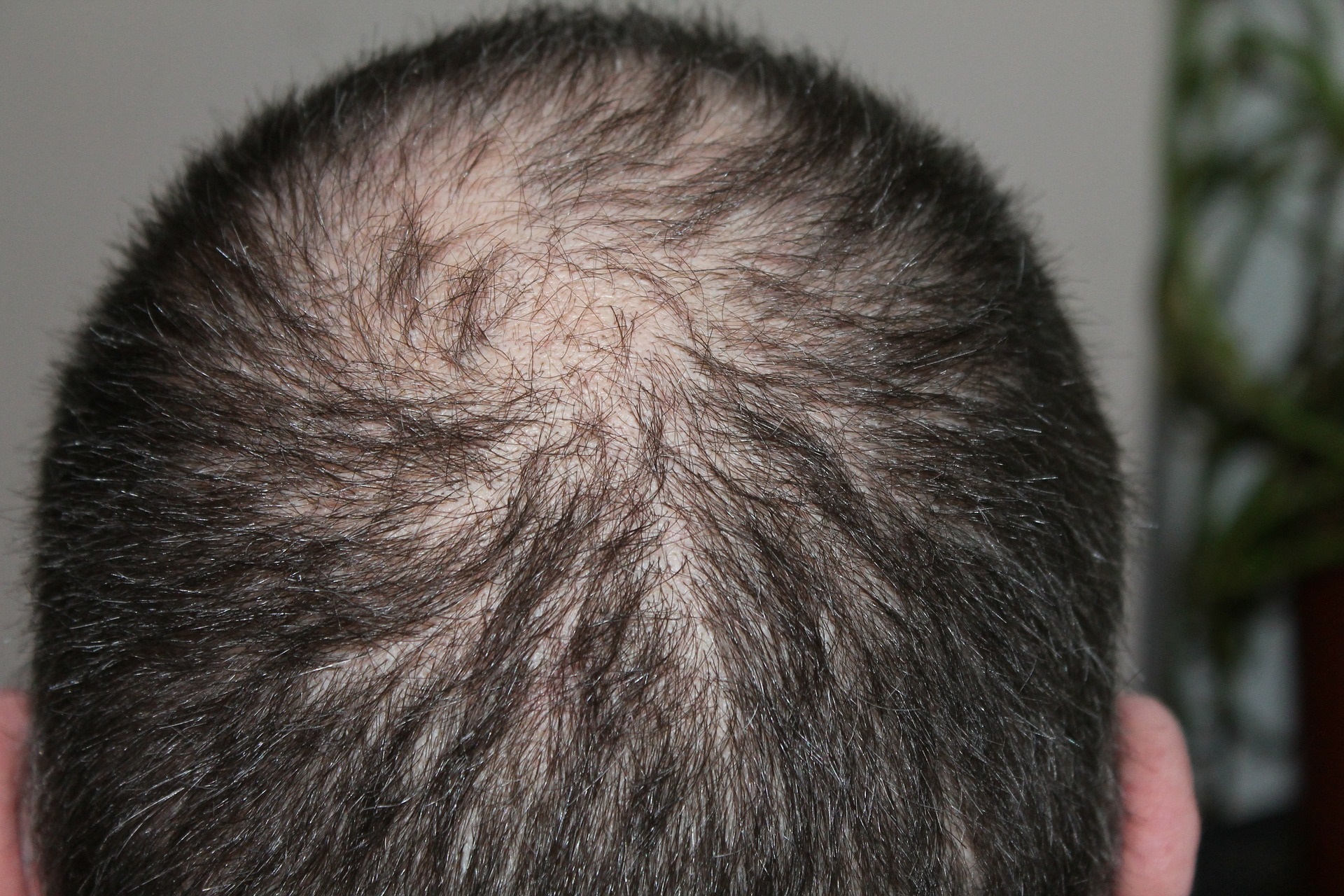
Are you suffering from hair loss? Thinning hair? Baldness? At The Center for Advanced Dermatology in Phoenix, we offer a simple treatment to help stop hair loss and stimulate hair growth.

Platelet-rich plasma (PRP) is suitable for both men and women. It is a natural, non-surgical procedure that uses the patient’s own blood for the treatment of hair loss or hair thinning. Our blood plasma (PRP) contains active growth factors which can promote hair growth. Helping to restore one’s confidence, the end result is a fuller, healthier looking head of hair.

During treatment in Phoenix, Dr. Holy draws the blood into test tubes from the patient’s arm, then spins the blood with a tool called a centrifuge. Blood is composed of white blood cells, red blood cells, platelets, plasma and numerous other components. The centrifuge separates these components, enriching the plasma several times over with the platelets. Once the centrifuge spin is completed, Dr. Holy is able to draw out just the plasma. With a thin needle, the patient’s own platelet-rich plasma is then injected into the scalp. Then the growth factors in the blood cells do their job and hair growth is naturally stimulated.

Advantages of PRP for hair loss include:

  • Simple, non-surgical procedure
  • Safe and reliable results
  • Very quick recovery period
  • Natural looking end results

There is no risk of an allergic reaction with PRP therapy because the enriched plasma has been produced from the patient’s own blood. A concentrated amount of white blood cells make up part of the PRP which are the body’s natural defenders against infections. Infections are therefore extremely rare.

Depending upon the patient’s individual needs and treatment plan, PRP treatments can be repeated until the desired result has been achieved. Typically, regular PRP treatment every 3 to 6 months can yield very successful results. To learn more about PRP to stop hair loss, contact The Center for Advanced Dermatology at 602-867-7546 or mddermsolutions.com to schedule a consultation with Dr. Holy.

Posted: May 12, 2019 By:

Does Laser Skin Resurfacing Help with Wrinkles?

Wrinkles are creases, folds or ridges that form on the surface of the skin, most commonly with age. As we get older, inevitable results of the natural aging process cause noticeable changes to our face and bodies. Skin gets thinner and drier and loses elasticity that was once beneficial for maintaining a youthful appearance.

While wrinkles are a common development from aging and the genetic makeup of your skin’s features and structure, they can affect younger people as well. Factors such as too much sun exposure and lifestyle habits, like smoking or not using protective sunscreen, increase the early development of wrinkles.

Fortunately, there are preventative skin routines that can decrease deeper wrinkle development and an array of treatments for enhancing a wrinkle-free appearance.

Laser skin resurfacing is one of the most advanced skin rejuvenation treatments available and is known to be an effective treatment for stubborn conditions such as acne scarring and deep lines and wrinkles.

Laser skin resurfacing for wrinkles uses a specially crafted beam of thermal energy that works deep into the layers of your skin. Unlike peels or abrasive skin exfoliation, these laser beams of heat precisely target and vaporize damaged skin. By creating injury to the old skin, the body works to create new, tighter skin that has smaller pores and fewer wrinkles and blemishes. Laser wrinkle treatment time depends on the extent of the wrinkles and the size of the area being treated.

At The Center for Advanced Dermatology, we offer laser skin resurfacing treatment and other skin care remedies for specific skin tones and needs. Because everyone’s skin is different, treatment is tailored to each patient’s individual goals and needs.

Contact The Center for Advanced Dermatology at 602-867-7546 or mddermsolutions.com to schedule a consultation with Dr. Holy in Phoenx. During this visit, you and Dr. Holy can discuss a laser wrinkle treatment plan just for you.

Posted: May 5, 2019 By:

Does Kybella Work for a Double Chin?

A double chin is defined as a roll of fatty skin that is situated beneath your chin that makes it appear as if you have two chins, hence the name, double chin. This can be caused as a part of the natural aging process, genetics or a response to weight fluctuation.

The dreaded double chin can affect people of all sizes and ages – it doesn’t discriminate. Home remedies and exercises may help you feel like you’re making a difference, but the reality is that they’re never really going to produce dramatic results.

Kybella is a non-surgical procedure that is capable of eliminating a double chin and dramatically improving one’s appearance. Kybella is an injectable solution that is placed beneath the chin to permanently destroy the fat cells that cause a double chin. The active ingredient in Kybella, synthetic deoxycholic acid, is a naturally occurring molecule in our body that helps break down fat. Your metabolism processes the fat cleared from the treatment area.

Every patient is different, but the benefits of Kybella can generally be seen after as few as two or three treatments. In some cases, as many as six treatments might be necessary to receive the maximum benefit.

After your Kybella treatment, you should expect some swelling and redness. You may also experience bruising, pain, numbness and firmness in the injection site. This will normally last less than 5 days, and for some patients may last up to 14 days. You may have slight swelling of the area for up to a month.

Kybella must be administered by a highly trained professional for your safety and optimal results. To learn more or to schedule an appointment with Dr. Holy, contact The Center for Advanced Dermatology at 602-867-7546 or mddermsolutions.com today.

Posted: April 28, 2019 By:

Should I Get My Moles Checked?

A mole (nevus) is a pigmented (colored) spot on the outer layer of the skin (epidermis). Moles can be round, oval, flat or raised. They can occur singly or in clusters on any part of the body. Most moles are brown, but colors can range from pinkish flesh tones to yellow, dark blue or black. Most people have at least a few moles. Usually, other than during puberty and pregnancy, a mole’s color and shape do not change.

If you have moles, it’s a good idea to have them checked by a dermatologist, especially if you notice any changes to them. A changing mole can be a cause for concern and should always be brought to your doctor’s attention. While it’s normal to develop new growths as we get older, a recent change in a mole’s appearance, such as darkening in color or rapid growth, or new symptoms, like itching or bleeding, could indicate that it’s turning into a skin cancer. Your doctor may recommend a skin biopsy to remove the growth and send it to the lab to find out what it is. This is a fairly simple procedure that can be done in the office under local anesthesia (similar to the numbing you get at the dentist).

Although it may sound scary, when skin cancer is caught early, it is nearly 100% curable. It is important to check your moles regularly for changes in their appearance.

Dr. Holy in Phoenix recommends using the ABC’s of moles to determine if they need further examination:

A – Asymmetry

B – Border irregularity

C – Color variations: blue, brown or black, sometimes white or red spots

D – Diameter: greater than six millimeters (the size of a pencil eraser)

E – Elevation: raised above the surface of the skin

If you’ve never had your moles checked or if you notice any of the changes listed above, contact Dr. Holy promptly for an evaluation. Contact The Center for Advanced Dermatology today at 602-867-7546 or mddermsolutions.com to schedule an appointment.

Posted: April 21, 2019 By:

Is Laser Skin Resurfacing Safe?

Few of us are lucky enough to have smooth, flawless skin. Maintaining a youthful, clear complexion gets even more difficult as we age—our skin begins to show the effects of sun damage, habits such as smoking or tanning, and the natural aging process.

Laser skin resurfacing can improve the appearance of your face by selectively targeting the superficial layers of skin that contain fine lines or deeper wrinkles, scars and hyperpigmentation or discoloration. Laser skin resurfacing can help improve skin tone, texture and appearance by removing dull, damaged skin and promoting the skin’s natural healing process. Following treatment, healthier, more youthful-looking skin emerges to reveal a more radiant, clear complexion.

What skin problems can laser resurfacing treat?

Laser resurfacing can be used to improve the following skin conditions:

  • Hyperpigmentation
  • Fine lines & wrinkles
  • Dullness
  • Vascular lesions
  • Precancerous growths
  • Rosacea
  • Age spots, sun spots and sun damage
  • Textural irregularities
  • Lip lines or smoker’s lines
  • Acne scars
  • Surgical scars
  • Skin laxity (sagging skin)

Side effects of laser skin resurfacing include swelling, redness and itching, which should subside within a few days. The full recovery time ranges between one and two weeks, depending on the intensity of the procedure, and several follow-up appointments will be required. For some patients, full skin pigmentation may not return until 6 months to a year after the treatment. It’s important for patients to avoid sun exposure and use sun protection.

When it comes to a skin treatment such as laser skin resurfacing, safety should always be a primary concern. When performed by a highly trained, experienced provider, laser skin treatments are safe and carry minimal risk. However, since some lasers affect skin pigment, certain laser resurfacing treatments may not be suitable for darker or tanned skin. To learn more about laser skin resurfacing in Phoenix or to schedule a consultation with Dr. Holy, contact The Center for Advanced Dermatology by calling 602-867-7546 or visiting mddermsolutions.com.

Posted: April 14, 2019 By:

How Long Does Swelling from Kybella Last?

Excess fat under the chin is a common complaint among patients in Phoenix, affecting people of all ages. Submental (under the chin) fat is commonly called a double chin. It can impact the lines of the neck and jawline, add years to your appearance, and make a person who is trim and fit look older and overweight. At The Center for Advanced Dermatology, we offer a non-invasive treatment to correct this issue.

Kybella is a non-surgical procedure that is capable of eliminating a double chin and dramatically improving one’s appearance. The Kybella treatment is quick, virtually painless and requires little to no recovery time.

Some patients notice post-treatment swelling. This is common and should only last for a short period of time. For most, Kybella swelling will typically peak about 20 to 28 hours after injection and will likely dissipate after 48 hours.

On rare occasions, swelling may last a bit longer, particularly if you receive a larger dosage. Patients with large amounts of fat underneath their chin and sagging skin may experience more significant swelling and for a longer period.

Tips to Reduce Swelling

Although most patients experience swelling for just 48 hours after their treatment, the faster your swelling goes away, the sooner you can see your beautiful results. Here are a few simple tips to help reduce Kybella swelling:

  • Receive small doses of Kybella across multiple treatments. The smaller your dose is, the less swelling you will experience.
  • Don’t massage the treatment area after you receive Kybella. Touching the treatment area can lead to more swelling in some patients. It’s best to leave the area alone to ensure a speedy recovery.
  • Natural supplements such as Arnica and Bromelain may be taken before and after treatment to help reduce discomfort and swelling.

Though you may experience swelling for a short period of time, the long-lasting results of Kybella are definitely worth it. After a few treatments, your double chin should disappear! To learn more about Kybella or to schedule a consultation with Dr. Holy, contact The Center for Advanced Dermatology today at 602-867-7546 or mddermsolutions.com.

Posted: April 7, 2019 By:

Do You Peel After Micro Needling?

Micro needling is a minimally invasive cosmetic procedure that’s used to improve skin via collagen production. Also known as collagen induction therapy, this treatment may help with a variety of skin issues. Micro needling is most often used on facial skin to target:

  • Acne scars
  • Age spots (also called sun spots)
  • Fine lines and wrinkles
  • Large pores
  • Other types of scars
  • Reduced skin elasticity
  • Uneven skin tone

Micro needling works by encouraging your skin to make more collagen. Micro needling creates a large number of tiny punctures on the skin. The idea is that pinpricks from the procedure cause slight injury to the skin and that the skin responds by making new collagen-rich tissue.

It is normal for the skin to peel after micro needling treatments within a few days. When a new layer of skin is produced, the old skin begins peeling off. The peeling is typically minimal, similar to the peeling that occurs following a mild sunburn.

Another common side effect of micro needling is minor skin irritation immediately following the procedure. You may also see redness for a few days. These reactions to the micro needling treatment are so mild that you can go back to work or your regular activities immediately following the procedure. Your skin will also be more sensitive to the sun, so sunscreen is a must.

After micro needling, your skin works fairly quickly to rejuvenate new tissue. Typically, you should see results within a couple of weeks.

To maintain the results of micro needling, you’ll need multiple sessions. During a consultation in Phoenix, Dr. Holy will advise you on the best treatment plan based on your individual goals. To schedule an appointment, contact The Center for Advanced Dermatology today by calling 602-867-7546 or visiting mddermsolutions.com.

Posted: March 31, 2019 By:

Are Dermal Fillers Painful?

Dermal fillers allow us to rejuvenate and revitalize the skin without downtime and without surgery. However, the thought of injections makes some patients feel a bit hesitant. The good news is, dermal filler injections are not painful for most patients.

Dermal fillers can be used all over the face; the cheeks, lips, under the eyes, around the nose and mouth. This is important when discussing comfort. Injections around the eyes, lips and cheeks are typically less uncomfortable than ones made around the mouth and nasal area. The reason for this is in relation to the facial anatomy. These areas that may be a bit more sensitive to the injections have a higher number of nerves that supply the skin and deeper layers.

Another factor to consider is the thickness or density of the filler. Fillers that are injected deeper (for example cheeks) require a thicker filler in order to provide structural support for the tissue and skin layers above. This can be associated with a sensation of fullness or tightness in the treatment area. This doesn’t mean it will be painful, but it is a sensation you should expect to have for a short period after your filler treatment.

The needles used for dermal filler treatments are extremely small and cause very little to no bleeding/trauma to the treatment area. Although the administration of dermal fillers is usually painless, some discomfort, swelling, redness and itching are all considered possible side effects of dermal fillers.

In general, patients find dermal fillers extremely tolerable. Patients often leave our office pleasantly surprised about how comfortable the treatments are.

To learn more about dermal fillers in Phoenix or to schedule a treatment with Dr. Holy, contact The Center for Advanced Dermatology at 602-867-7546 or mddermsolutions.com today.

Posted: March 24, 2019 By: