
What is a Liquid Facelift?

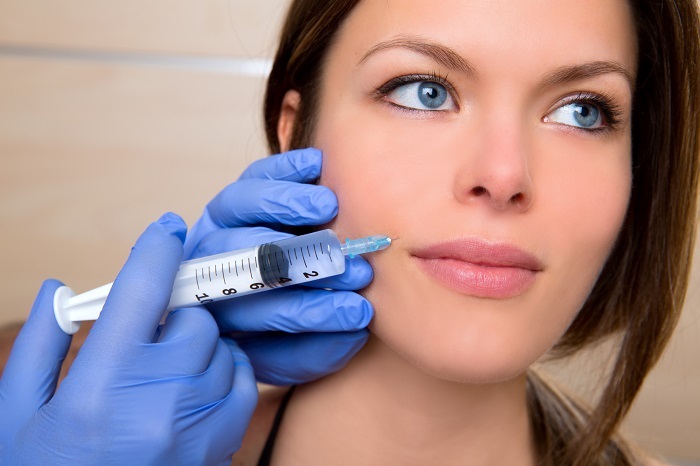
A liquid facelift is a non-invasive procedure that uses injectables to minimize noticeable signs of aging. Most liquid facelifts involve a combination of products like BOTOX, Juvéderm, Restylane, Perlane and Sculptra. If you are concerned about wrinkles, loss of facial volume and other signs of aging, a liquid facelift may be a great option for you. A liquid facelift at THE CENTER for Advanced Dermatology can be customized to improve some or all of the following concerns to help patients overcome the following aging issues including but not limited to:

  • Forehead creases
  • Droopy eyebrows
  • Crow’s feet
  • Hollow temples
  • Under eye bags
  • Marionette lines (smile lines)
  • Volume loss
  • Expression lines
  • Jowls
  • Poorly defined jawline
  • Hallowing around the eye
  • Thinning lips
  • Gummy smile
  • Weak Chin
  • Low cheekbones
  • Platysmal bands

Because a liquid facelift is completely non-surgical, there is absolutely no downtime for patients. Following the treatment in Phoenix, patients are able to immediately return home or continue with their everyday activities.

How long the results of a liquid facelift last vary from patient to patient. Depending on the product used during your liquid facelift and your own unique healing, results can last for 6-12 months. Touch-up treatments can prolong the results of your liquid facelift. Over time, regular touch-ups can help you enjoy the anti-aging effects of your liquid facelift with less product and less frequent treatments.  

There are virtually no major side effects experienced after undergoing a liquid facelift. It is possible to see slight bruising, redness, itching or swelling that will diminish over the course of the next several days following the procedure.

Patients seeking non-invasive rejuvenation of the face can achieve significant results with liquid facelift. The popular procedure can eliminate lines and wrinkles and add fullness and freshness to your face, providing a more youthful and refreshed appearance. For more information about liquid facelift in Phoenix or to schedule a consultation with Dr. Holy, contact THE CENTER for Advanced Dermatology today by calling 602-867-7546 or visiting website.


Posted: August 5, 2019 By:

Laser Wrinkle Treatments

Wrinkles are creases, folds or ridges that form on the surface of the skin most commonly with age. As we get older, inevitable results of the natural aging process cause noticeable changes to our face and bodies. Skin gets thinner and drier and loses elasticity that was once beneficial for maintaining a youthful appearance.

While wrinkles are a common development from aging and the genetic makeup of your skin’s features and structure, they can affect younger people as well. Factors such as too much sun exposure and lifestyle habits like smoking or not using protective sunscreen increase the early development of wrinkles.

Fortunately, there are preventative skin routines that can decrease deeper wrinkle development and an array of treatments for enhancing a wrinkle-free appearance.

Laser resurfacing is one of the most advanced skin rejuvenation treatments available and is known to be an effective treatment for stubborn conditions such as acne scarring and deep lines and wrinkles.

Laser wrinkle treatments use a specially crafted beam of thermal energy that works deep into the layers of your skin. Unlike peels or abrasive skin exfoliation, these laser beams of heat precisely target and vaporize damaged skin. By creating injury to the old skin, the body works to create new, tighter skin that has smaller pores and fewer wrinkles and blemishes. Laser wrinkle treatment time depends on the extent of the wrinkles and the size of the area being treated.

At The Center for Advanced Dermatology, we offer a variety of laser wrinkle treatments and other skin care remedies for specific skin tones and needs. Because everyone’s skin is different, treatment is tailored to each patient’s individual goals and needs.

Contact The Center for Advanced Dermatology at 602-867-7546 or mddermsolutions.com to schedule a consultation with Dr. Holy in Phoenix. During this visit, you and Dr. Holy can discuss a laser wrinkle treatment plan just for you.

Posted: July 29, 2019 By:

Liquid Facelift

A liquid facelift is a non-surgical treatment option for individuals who wish to rejuvenate their appearance without undergoing surgery or who are not surgical candidates. This procedure combines multiple facial fillers and injectables to improve the appearance of an aging face by adding volume and softening wrinkles. A liquid facelift at The Center for Advanced Dermatology can be customized to improve some or all of the following concerns to help patients overcome the following aging issues, including but not limited to:

  • Forehead creases
  • Droopy eyebrows
  • Crow’s feet
  • Hollow temples
  • Under eye bags
  • Marionette lines (smile lines)
  • Volume loss
  • Expression lines
  • Jowls
  • Poorly defined jawline
  • Hollowing around the eye
  • Thinning lips
  • Gummy smile
  • Weak Chin
  • Low cheekbones
  • Platysmal bands

A liquid facelift is completely customized to meet the needs of the patient. Common injectables used include:

  • Botox
  • Dysport
  • Juvéderm
  • Restylane
  • Perlane
  • Sculptra

Because a liquid facelift is completely non-surgical, there is absolutely no downtime for patients. Following the treatment in Phoenix, patients are able to immediately return home or continue with their everyday activities.

How long the results of a liquid facelift last vary from patient to patient. Depending on the product used during your liquid facelift and your own unique healing, results can last for 6-12 months. To maintain results, patients often require just small touch-up injections in certain areas of the face.

There are virtually no major side effects experienced after undergoing a liquid facelift. It is possible to see slight bruising, redness, itching or swelling that will diminish over the course of the next several days following the procedure.

Patients seeking non-invasive rejuvenation of the face can achieve significant results with liquid facelift. The popular procedure can eliminate lines and wrinkles and add fullness and freshness to your face, providing a more youthful and refreshed appearance. For more information about a liquid facelift in Phoenix or to schedule a consultation with Dr. Holy, contact The Center for Advanced Dermatology today by calling 602-867-7546 or visiting mddermsolutions.com.

Posted: July 22, 2019 By:

Can You Get a Brow Lift with Botox?

A highly arched eyebrow is a classic sign of youthful beauty and alertness. As we age, the eyebrow and forehead descend and can make our eyes look tired and old. Our foreheads and eyebrows are pulled downward by the repeated use of our facial muscles. When we frown, the frown muscles pull the skin down towards the base of our nose. In addition, the muscles on the side of our forehead around the eyes also pull the forehead down when we smile or grimace. These all contribute to a sagging brow. Traditionally, brow lift surgery has been used to correct a drooping brow but now, Botox injections can help.

A Botox brow lift targets areas of the face in such a way as to simulate the overall effect of a brow lift. This procedure reduces the signs of aging by enhancing the position as well as the shape of the eyebrows and the forehead area.

How Does a Botox Brow Lift Work?

Botox is used to relax certain muscles around the eyes. These muscles, which are responsible for raising and lowering the eyebrows, often pull the brow downward. Botox essentially causes a minor form of paralysis by preventing these certain muscles from contracting. These muscles become less stiff and the overlying skin smooths out.

It’s important to note that Botox is not effective at removing larger wrinkles that occur due to more advanced aging. Rather, the Botox brow lift focuses on light fine lines in the skin, like crow’s feet, and the deeper worry lines that accompany your frown.

Botox is a quick and virtually painless procedure. Results from a Botox brow lift last anywhere from 3 to 6 months, depending on how quickly you metabolize the Botox. Repeated treatments are required to maintain results. If you’re looking for a quick, subtle fix to a sagging brow, Botox may be the right treatment for you. It will give you a more youthful appearance and delay the need for a surgical brow lift. However, Botox will not give you the dramatic results of a traditional brow lift surgery. To learn more or to schedule a consultation with Dr. Holy, contact The Center for Advanced Dermatology at 602-867-7546 or mddermsolutions.com today.

Posted: July 15, 2019 By:

What Are Dermal Fillers?

Having smoother, younger-looking skin is a fantastic way to restore your self-esteem and confidence. As you age, you will start to notice tiny lines around your eyes, lips and other areas of your face that are distressing to you. Even though you may still feel vibrant and youthful, you may feel that your face does not reflect how you feel inside. Dermal fillers are a popular treatment option to help restore a youthful look.

There are several different types of dermal fillers. The fillers Botox, Dysport and Xeomin are prescription medications that are injected into the muscles underneath the fine lines, folds and deep wrinkles that develop as we age. The medication blocks impulses that are sent via the nerves, thus allowing the muscle to relax, resulting in a smoother, more youthful appearance in the skin. The results of the injections generally last about four months.

Other types of dermal fillers, such as Restylane, Juvederm and Radiesse, work by adding volume where deep wrinkles have formed. This temporarily add fullness to the area so that the deep wrinkles and folds aren’t as noticeable. The results of these fillers typically last from six months to a year depending on the individual and what type of medication is used.

Another type of dermal filler is an injectable called Sculptra. It works by injecting poly-L-lactic acid into the skin. The product helps replace the lost collagen in the epidermis. A few injections are necessary over three to four months’ time, and the long-lasting results vary with each recipient.

Dermal fillers are often beneficial on lines between the eyebrows, around the eyes, fine lines around the lips, smiles lines and lines around the nasal area.

Dermal filler treatment is quick, virtually painless, and many patients see results immediately, depending on which type of prescription medication Dr. Holy uses.

If you’re interested in dermal fillers in Phoenix, contact The Center for Advanced Dermatology today at 602-867-7546 or mddermsoltions.com to schedule a consultation.

Posted: July 8, 2019 By:

Is Laser Skin Resurfacing Painful?

Laser skin treatments are a popular procedure for patients in Phoenix. A wide variety of conditions can be treated with laser therapy including fine lines and wrinkles, acne scars, blood vessels, tattoos, unwanted hair, rosacea, uneven skin tone and texture, sun spots and much more. Even active acne can often be treated with lasers. Laser treatments have progressed rapidly and are more effective and safer than ever before.

Laser skin resurfacing involves the application of laser light to the skin in order to remove fine wrinkles and tighten the skin’s surface. It is most often used on the skin of the face. The purpose of laser skin resurfacing is to use the heat generated by extremely focused laser light to remove the upper to middle layers of the skin. Upon healing, the surface of the skin will have a younger, healthier appearance.

Most laser skin resurfacing treatments take about 30 to 45 minutes to perform, depending on the area that’s being targeted. The treatment begins with a warming sensation which is a sign that the technology is targeting skin discolorations and other complexion woes.

For most patients, laser skin resurfacing is not painful or causes very little pain that is manageable. Some people describe the feeling during a laser procedure as a stinging sensation or the feeling of a rubber band being pulled taut and snapped across the skin. The experience is different for everyone because everyone handles pain differently. For certain laser treatments or for individuals who have a lower tolerance for pain, topical analgesics can be applied a few minutes prior to the procedure to reduce or eliminate discomfort. Oral pain relievers can also be taken beforehand if you are concerned about pain.

If, during your laser treatment, you experience pain that is intolerable, immediately notify the person performing the procedure so that they can stop and/or adjust the intensity of the laser.

To learn more about what you can expect from laser skin resurfacing in Phoenix, contact The Center for Advanced Dermatology at 602-867-7546 or mddermsolutions.com to schedule a consultation with Dr. Holy.

Posted: July 1, 2019 By:

How Long Does PRP Last for Hair Loss?

Platelet Rich Plasma (PRP) Treatment for Hair Loss is an effective treatment for hair loss in men and women looking to restore their hair. This non-surgical hair loss procedure provides a natural stimulation for thinning hair.

Human blood contains stem cells and growth factors that assist in tissue rebuilding and healing. The PRP procedure contains special cells called platelets that can cause the growth of hair follicles by stimulating the stem cells located in the structure of the follicle. These platelets promote healing, accelerate the rate and degree of tissue regeneration, the response of the body to injury and formation of new cellular growth.

Platelet Rich Plasma therapy has become established as an effective medical treatment in specialty fields of oral surgery, neurosurgery, plastic and cosmetic surgery and more. These fields have used PRP for over two decades with positive outcomes. In hair restoration, there is further evidence that demonstrates that PRP therapy is a promising treatment option for men and women in promoting hair growth.

PRP provides an alternative to stimulate natural hair growth for patients who are not viable candidates for hair transplant surgery. It has been shown to be a beneficial procedure for those who have undergone a hair transplant procedure to aid in healing and to improve hair growth.

How long PRP results last depends on the individual patient and how severe their hair loss. Typically, patients need at least 3 to 4 sessions timed at intervals of 4 weeks each. After the initial 4 sessions, your doctor may ask you to come in for follow-up treatments at 6 months and then 12 months. Hair growth may be measured in about 3 months, but it takes 6 to 12 months to visually see the difference.

For men and women who are looking to do something about their hair loss or thinning hair, PRP may be an appropriate treatment option. It is important to remember that results will vary from one patient to another.

During a hair loss consultation in Phoenix, Dr. Holy will gladly discuss PRP therapy with you and help determine if it may be a viable treatment option for you. Contact The Center for Advanced Dermatology at 602-867-7546 or mddermsolutions.com to schedule your appointment.

Posted: June 24, 2019 By:

How Long Does It Take to Heal After Laser Skin Resurfacing?

Laser skin resurfacing uses powerful lasers to remove several layers of the epidermis, encouraging your skin to produce new, firmer and smoother skin and enhancing the production of firming collagen in your skin. Laser skin resurfacing is a proven way to help reduce wrinkles, age spots, acne scars and other blemishes as well as tighten skin and balance tone. These powerful lasers essentially burn away damaged skin, leaving your skin looking red and feeling raw for several days to weeks after the treatment.

The time it takes to heal after laser skin resurfacing varies according to several factors including the type of laser used, the location of the treatment and the individual patient’s skin type.

While recovering from laser skin resurfacing, you can expect to experience certain side effects. Some patients experience swelling, itching, crusting and tenderness. Redness typically lasts between 6 and 12 weeks after treatment. You may notice pigment changes in your skin which can include darker skin tones. Bleaching or peeling of the skin can help lighten darkened areas. You also run the risk of losing color in the treated area for up to 12 months after the procedure. In some patients, effects can be permanent.

Careful skin care is required as you heal from laser skin resurfacing. It’s important to use gentle cleansers and moisturizers, avoid the sun, don’t smoke and follow any additional post treatment instructions.

Patients most often request laser skin resurfacing treatments for the face since it’s the first thing you, and most people, notice. Aside from smoothing and creating a uniform texture of the skin of the face, laser skin resurfacing can also be tailored to improve the skin of the neck, chest, hands or other areas that may appear irregular. Repeat sessions are almost always suggested for optimal results.

If you are considering laser skin resurfacing in Phoenix, we invite you to schedule an appointment with Dr. Holy. Contact The Center for Advanced Dermatology at 602-867-7546 or mddermsolutions.com today.

Posted: June 17, 2019 By:

Common Skin Problems

There are many common skin problems that affect patients in Phoenix. These can range from mild irritations to quite serious diseases. In some cases, common skin problems that affect the skin can be hazardous to your health or even life-threatening if left untreated. These include:

Acne: Acne is an extremely common skin problem caused by oil trapped in ducts beneath your skin. On your face alone 15,000-20,000 oil glands work to keep the skin elastic and soft. When the oil cannot rise to lubricate the surface of your skin, it builds up in the ducts, bacteria grow then inflammation occurs. Acne is most common among teenagers, but it can start or continue into adulthood.

Eczema:  This is a chronic condition in which the skin becomes itchy, reddened, cracked and dry. It affects both males and females, as well as people from different ethnic backgrounds. This condition can affect children, teens and adults.

Sun Damage: Overexposure to the sun can cause a variety of skin conditions, not just sunburns, wrinkles or skin cancer. You may also experience uneven pigmentation, lentigines (also referred to as age spots or liver spots), labial lentigo (a dark brown lesion that develops on lips) and solar elastosis (a breakdown of collagen and connective tissue which causes the skin to sag). Dr. Holy can effectively diagnose and treat existing sun damage and help you prevent future damage.

Atypical Moles: Atypical moles most commonly appear on the back but may appear anywhere on the body, including below the waist, on the scalp or other areas. They may fade into surrounding skin and include a flat portion that is level with the skin surface. They may be smooth, slightly scaly or have a rough, irregular appearance. Atypical moles are usually not present at birth but develop some time later. Several types of atypical moles are known to develop before melanoma. Atypical moles are the most common precursor, but not all atypical moles develop into melanoma. It is important to have Dr. Holy examine any mole that you feel is suspicious or is changing.

Treating Skin Problems

While you can do your best to prevent skin problems from occurring, it’s important to visit your dermatologist if you experience these problems or any others. There are great treatment solutions available today for most skin problems. In Phoenix, Dr. Holy has several treatment options available depending on your unique skin. If you would like to schedule a consultation, contact The Center for Advanced Dermatology at 602-867-7546 or mddermsolutions.com today.

Posted: June 10, 2019 By:

Are Dermatologists Covered by Insurance?

Dermatology is a medical specialty. Like traditional health care, most services a dermatologist offers are covered by insurance.

Coverage for dermatology services can vary from policy to policy. The guideline insurance companies use to determine whether they will pay for a service or not is medical necessity. To be considered medically necessary, the visit must be to evaluate, diagnose or continue treating a medical condition. Most major medical plans will cover medically necessary treatment by a dermatologist.

Some of the most commonly covered conditions are:

  • Skin cancer
  • Rashes
  • Psoriasis
  • Port wine stain removal
  • Acne
  • Skin or fungal infections
  • Eczema
  • Warts
  • Hives
  • Skin allergies
  • Keloid scars
  • Shingles

Cosmetic treatment for things such as skin blemishes or tattoo removal are generally not covered.

Before going to the dermatologist you will need to make sure you are covered. If you have health insurance coverage through an employer, you can ask your Human Resources Manager or the person in charge of benefits. Or, you can contact the insurance company directly by calling the Customer Service Number that is usually located on the back of your insurance card.

If you determine that dermatology care is covered by your insurance, check to make sure that your dermatologist of choice is in network. Using physicians that are in network will usually save money over using an out of network provider. You can call the physician’s office with your health insurance information to verify whether or not that provider is in network or not. You may also be able to find this information on the insurance company’s website.

Some insurance companies require their subscribers to receive a referral from a primary care physician before seeing a specialist. If a referral is not secured before a specialist visit, the dermatology appointment may not be covered or might be paid at a lower rate leaving you more to pay out of your own pocket. This is also important to determine before scheduling your dermatology appointment.

To learn more about insurance coverage for dermatology services in Phoenix, contact The Center for Advanced Dermatology today at 602-867-7546 or mddermsolutions.com.

Posted: June 3, 2019 By: