
What Are the Benefits of a Chemical Peel?

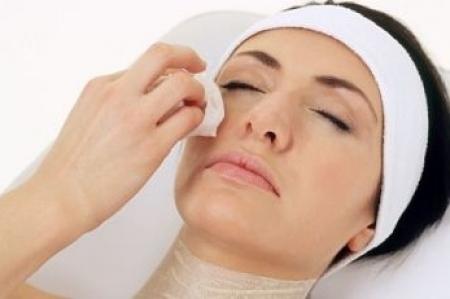
A chemical peel is a skin resurfacing technique that uses a chemical solution to improve and smooth the texture of the skin by removing its damaged outer layers. It involves the application of toxic chemical solutions to the skin in a controlled manner, producing controlled tissue death and resulting in a superficial wound. As the tissue damage is repaired by the natural healing process, the skin’s appearance is improved.

There are many benefits of a chemical peel. Chemical peels effectively treat a host of skin problems, including acne, discolorations and fine lines and wrinkles. Most procedures take less than an hour to perform, with minimal discomfort during the treatment. There are several types of chemical peels offered today which allows you and your dermatologist to partner together to find the best formula for your specific needs. 

Chemical peels are available in different strengths and use different types of chemicals to achieve specific results. The type of peel that will benefit you will depend on the results you’re looking for and your skin type, as well as any underlying medical conditions.

In Phoenix, Dr. Holy will use a specific formula for your chemical peel based on the characteristics of your skin and your desired result. There are three main types of chemical peels; light, medium and deep, categorized by the differing levels of “peeling” and utilizing varying amounts of chemicals for the desired results. 

A light chemical peel is most commonly performed and is the mildest of the peel formulas that uses Alpha hydroxy acids. You may experience a slight tingling or warming sensation of the skin. AHA may be applied weekly or at longer intervals to achieve the desired results.

A medium chemical peel is performed using a trichloroacetic acid. Medium deep peeling can sting mildly with much warmer sensations on the skin. Because of deeper penetration, it can remove larger wrinkles and precancerous skin lesions; however, this peel can also make the skin temporarily look like a sunburn.

Deep chemical peels, using Phenol acid, are rarely performed. The application is very painful and is done under a general anesthesia. 
To learn more about chemical peel treatments in Phoenix or to schedule a consultation with Dr. Holy, contact THE CENTER for Advanced Dermatology at 602-867-7546 or website today.


Posted: March 18, 2020 By:

Types of Skin Spots

All people have some form of pigmented spotting on their skin. Whether you are born with these spots or develop them over time through aging or sun exposure, it’s very important to monitor your skin and discuss any changes of your skin spots with a dermatologist. While most spots are harmless, some may be a sign of skin cancer.

Here’s a brief overview of the most common forms of skin spots (along with best treatment options):

Freckles – Freckles are tiny, flat, circular spots that are typically beige or brown in color. They typically appear in groups along areas of the skin that are regularly exposed to the sun like the face, arms and legs. Freckles often become darker after sun exposure and significantly lighten up in the winter months. Options to get rid of freckles include topical skin care products (such as retinoid creams and vitamin C serums) and laser skin resurfacing treatments (such as Fraxel).

Age Spots – Also referred to as sun spots or solar lentigines, age spots are flat brown spots that appear when the skin is chronically exposed to ultraviolet (UV) light, either from the sun or from tanning beds. Age spots commonly form on areas of the body that are most frequently exposed to the sun, like the face, hands, neck, chest, arms and legs. Treatment options for age spots include topical products, chemical peels, laser treatments and microdermabrasion.

Moles – A mole is a growth on the skin that can be flesh-colored, brown or black. Moles can appear anywhere on the skin, alone or in groups. Moles can be benign (non-cancerous) or malignant (cancerous) which is why it’s critical to monitor any moles you have for changes. We recommend monitoring the mole for changes to the ABCDE’s: Asymmetry, Border, Color, Diameter and Evolving. Malignant moles should be removed by an excision or Mohs surgery, and non-cancerous moles can also be surgically removed if desired by the patient.

Melasma – Melasma is a common skin disorder that creates dark discoloration patches along the skin. Melasma generally manifests itself in a brown or gray discoloration across the cheeks, forehead, nose, chin or upper lip, and is most often uniform and symmetrical on both sides of the face. Most melasma is caused by hormonal changes within the body. It can be treated with topical skin treatments, chemical peels or microdermabrasion. Laser treatments are often not recommended because laser heat can actually make melasma symptoms worse.

If you would like Dr. Holy to evaluate your skin spots, contact THE CENTER for Advanced Dermatology at 602-867-7546 or website to schedule an examination. 

Posted: March 11, 2020 By:

How to Check Your Moles at Home

Skin cancer does not discriminate by age, gender or ethnicity. It is important to know the signs of skin cancer and how to perform a skin check at home to spot potential problems early. While skin cancer can occur anywhere on the body, approximately 85% of cases are located on the head and neck – the most sun exposed areas of your body. In Phoenix, dermatologist Dr. Holy recommends that his patients use the ABCDE rule when examining their own skin.

Asymmetry

Melanoma lesions are often irregular, not symmetrical, in shape. A non-cancerous mole is typically symmetrical in shape. If you were to draw a line through the middle of a mole, the two halves should roughly match. 

Border

Typically, a non-cancerous mole will have smooth, even borders. Melanoma spots usually have irregular boarders that are difficult to define. 

Color

A non-cancerous mole is commonly a single shade of brown or tan. If there is a presence of more than one color, or an uneven distribution of color this can be a warning sign of melanoma. Melanoma can occur in a variety of colors including brown, black, red, blue or purple. These spots can be flat or raised and can bleed easily. Non-melanoma skin cancer, also known as basal and squamous cell carcinoma, typically appear as small, pearly, or pale bumps or as dark red patches that can be raised, flat or scaly in texture.

Diameter

Non-cancerous moles are typically smaller than malignant ones. If the diameter is greater than a pencil eraser, it may be a sign that it is growing or changing. Larger moles that have been stable for an extended period of time are not typically cause for concern; though continued observation is recommended.

Evolving

The evolution of a mole is the most crucial factor to consider when performing a self-skin check. This is why regular self-checks at home are so important. If you know what is normal, you will easily be able to tell if it has grown, or evolved overtime. 

Be Proactive

Remember, early detection of skin cancer can save lives. Along with skin checks at home, a simple in-office skin screening with dermatologist Dr. Holy can truly mean the difference between life and death. Contact THE CENTER for Advanced Dermatology today at phone or website to schedule your skin screening in Phoenix.

Posted: March 4, 2020 By:

How Does Secret RF Work?

Secret RF is a unique microneedling technology that is ideal for facial rejuvenation, improving scars and plumping and tightening loose skin by applying precisely controlled radio frequency energy directly into various depths of skin with minimally invasive microneedles.

Secret RF works by combining radio frequency and percutaneous needling to induce collagen production and tightens elastin fibers. During treatment in Phoenix, the Secret RF tool is moved over the treatment area while the micro-needles penetrate the skin and deliver the radio frequency directly into the target areas. The depth of delivery can be adjusted depending on the condition of the skin and the indication for the procedure. Unlike other devices which only deposit energy on the surface of the skin, Secret RF delivers energy below the surface where it’s needed most to help revitalize and regenerate the tissue. This unique delivery of energy allows us to achieve optimal results with little to no downtime on all skin types.

To achieve optimal results, 3-4 treatments are typically needed. The typical interval between sessions is 3 to 4 weeks. 

On the face, Secret RF is beneficial for:

  • non-surgical face lifting
  • wrinkle reduction
  • skin tightening
  • skin rejuvenation
  • pore reduction
  • acne scars
  • other scars

On the body, Secret RF is beneficial for:

  • scars
  • hyperhidrosis (excess sweating)
  • stretch marks

Secret RF is a very safe procedure with few side effects and little down time. Unlike lasers and IPL, Secret RF can be performed on all skin types, on the face and the body. Because of its safety profile, the incidence of side effects is very uncommon but can include:

  • Prolonged redness lasting 1-2 days
  • Minor swelling lasting up to 3 days
  • Minor bruising
  • Skin color changes (most common in patients with darker skin)
  • Patterning of treated skin (temporary and reversible)
  • Infection

To learn more about Secret RF or to schedule a consultation with Dr. Holy, contact THE CENTER for Advanced Dermatology at 602-867-7546 or website.

Posted: February 25, 2020 By:

What Should You Do If Your Moles Change?

A mole (nevus) is a pigmented (colored) spot on the outer layer of the skin (epidermis). Moles can be round, oval, flat or raised. They can occur singly or in clusters on any part of the body. Most moles are brown, but colors can range from pinkish flesh tones to yellow, dark blue or black. Most people have at least a few moles. Usually, other than during puberty and pregnancy, a mole’s color and shape do not change. 

A changing mole can be a cause for concern and should always be brought to your doctor’s attention. While it’s normal to develop new growths as we get older, a recent change in a mole’s appearance, such as darkening in color, rapid growth or new symptoms like itching or bleeding could indicate that it’s turning into a skin cancer. Your doctor may recommend a skin biopsy to remove the growth and send it to the lab to find out what it is. This is a fairly simple procedure that can be done in the office under local anesthesia (similar to the numbing you get at the dentist). 

Although it may sound scary, when skin cancer is caught early, it is nearly 100% curable. It is important to check your moles regularly for changes in their appearance. 

Dr. Holy in Phoenix recommends using the ABC’s of moles to determine if they need further examination: 

A – Asymmetry

B – Border irregularity

C – Color variations: blue, brown or black, sometimes white or red spots

D – Diameter: greater than six millimeters (the size of a pencil eraser)

E – Elevation: raised above the surface of the skin

If you notice any of the changes listed above or any other sudden mole changes, contact Dr. Holy promptly for an evaluation. Call 602-867-7546 or visit website to schedule your appointment today at THE CENTER for Advanced Dermatology.

Posted: February 18, 2020 By:

What Are the Treatment Options for Acne Scars?

Acne is the most common skin condition in teens and is a problem for 5-10% of adults. Thankfully, we have several treatment options for patients in Phoenix who are dealing with acne and acne scarring.

Controlling Acne

The first step to treating acne scars is to get the acne under control. Depending on the severity, various oral and topical prescriptions may be recommended. Once the active acne is controlled, resulting scars can be treated.

Types of Acne Scars

There are four distinct types of acne scars: 

  • Ice Pick Scars – deep, narrow depressions
  • Boxcar Scars – rectangular or oval shaped depressions
  • Rolling Scars – a waved fibrous pattern with soft edges
  • Hypertrophic Scars – raised scars

Acne Scar Treatments

Treatment options for acne scars include lasers, dermal fillers, chemical peels and dermabrasion. Many times a combination of treatments is required to deliver the best results.

  • Laser Resurfacing – Laser treatments ablate the top layer of the skin, making scars shallow and less defined. They also stimulate collagen below the acne scars. Laser treatments are generally not recommended for darker skin types due to possible hyperpigmentation.
  • Dermabrasion – This acne treatment “sands down” acne scars. The abrasive action improves your skin’s contour as a new layer of skin replaces the treated skin, resulting in a smoother, refreshed appearance.
  • Chemical Peels – A chemical peel is a treatment in which a chemical solution is applied to skin to remove the damaged outer layers. These acids chemically exfoliate the top layers of skin. As the treated skin comes off, a fresh new skin layer with improved tone, texture and color replaces it. This exfoliation caused by the acne-skin peel eliminates or reduces the appearance of acne blemishes and scars. 

At THE CENTER for Advanced Dermatology, our goal is to help you feel good about your skin again. Contact us today at 602-867-7546 or website to schedule an appointment with Dr. Holy. During an examination in Phoenix , Dr. Holy can determine the best option for treating your acne scars.

Posted: February 11, 2020 By:

Facts About Skin

Did you know that your skin is your largest organ and plays a vital role in your health? Important jobs of the skin include detecting heat and cold, regulating body temperature and protecting muscles, bones and internal organs from outside infection and disease. But that’s not all – there is so much more to your skin than you might think! Here are some of the most interesting facts about your skin: 

  • Skin accounts for about 15% of your body weight.
  • The average adult has approximately 21 square feet of skin which weighs about 9 lbs. and contains more than 11 miles of blood vessels.
  • The average person has about 300 million skin cells. A single square inch of skin has 19 million cells and up to 300 sweat glands.
  • Your skin is its thickest on your feet (1.4mm) and thinnest on your eyelids (0.2mm).
  • The skin renews itself every 28 days.
  • Your skin constantly sheds dead cells, 30,000 to 40,000 cells every minute! That’s nearly 9 lbs. per year!
  • Dead skin comprises about a billion tons of dust in the earth’s atmosphere.
  • Your skin is home to more than 1,000 species of bacteria.
  • Skin that is severely damaged may try to heal itself by forming scar tissue which is different from normal skin tissue because it lacks hair and sweat glands.
  • Skin can form additional thickness and toughness — a callus — if exposed to repeated friction or pressure.
  • Some of the nerves in your skin are connected to muscles instead of the brain, sending signals (through the spinal cord) to react more quickly to heat, pain, etc.
  • Your skin has at least five types of receptors that respond to pain and touch.
  • Changes in your skin can sometimes signal changes in your overall health.

These fun skin facts reveal just some of the important aspects of your skin and its health. To learn more facts about your skin or to schedule an appointment with dermatologist Dr. Holy in Phoenix, contact THE CENTER for Advanced Dermatology at 602-867-7546 or website.

Posted: February 4, 2020 By:

What is Intense Pulsed Light Therapy?

Intense pulsed light (IPL) therapy is a non-invasive and non-ablative treatment that uses high intensity pulses of visible light to improve the appearance of skin problems such as:

  • Vascular lesions including spider veins, port wine stains, broken facial veins, rosy cheeks, rosacea and red thread veins of the legs
  • Hair removal
  • Sun spots and sun damage
  • Freckles and age marks
  • Facial lines and wrinkles
  • IPL may also be helpful for mild to moderate acne and stretch marks

IPL therapy works by delivering precise pulses of light to specific areas of the skin. The light energy is converted to heat energy, which causes damage to the specific target area. Intense pulsed light therapy is different from lasers in that it delivers many wavelengths in each pulse of light instead of just one. 

Intense pulsed light therapy is considered a non-ablative resurfacing technique, which means that it targets the lower layers of skin (dermis) without affecting the top layers of skin (epidermis). The results are not as dramatic as ablative resurfacing where both the dermis and epidermis are injured to produce a much more noticeable overall outcome. 

A considerable benefit to intense pulsed light therapy is that it combines dramatic improvement with virtually no down time. Treatment sessions usually last about 20 minutes and patients can return to their regular activities immediately following it. To achieve desired results, repeat sessions every 3-6 weeks may be needed.

IPL treatments are relatively painless compared to other facial rejuvenation techniques. The sensation has been likened to a light pinch or the snap of a rubber band.

Side effects of intense pulsed light therapy are minor and include:

  • Mild pain during treatment 
  • Skin turning pink and a little sore immediately after the procedure
  • Sensation of a mild sunburn (redness, peeling, swelling) that may last a few days after treatment
  • Rarely, skin pigment may absorb too much light energy and blistering can occur
  • Sometimes the pigment cells (melanocytes) can be damaged leaving darker or paler patches of skin
  • Hair loss may occur
  • Bruising affects up to 10% of patients

Intense pulsed light therapy offers a gentle, long-lasting solution for visible signs of skin damage that affect the way you look. To learn more or to schedule a consultation with Dr. Holy in Phoenix, contact THE CENTER for Advanced Dermatology at 602-867-7546 or website.

Posted: January 25, 2020 By:

Can You Prevent Skin from Aging?

Is it possible to prevent skin from aging? It is important to take steps to help prevent premature skin aging, but this is often overlooked. If practiced properly, skin care techniques can reduce the amount of anti-aging treatments or products needed.

In Phoenix, Dr. Holy recommends a proactive approach to prevent skin from aging. Let’s take a closer look at some skin care tips that will help maintain your skin in a healthy and young-looking state.

Sun Exposure:

Dealing properly with sun exposure helps prevent many skin aging problems ranging from wrinkles to skin cancer.

  • For maximum skin aging prevention, avoid sun exposure on the skin during the hours that the sun is most intense.
  • Wear a hat, protective clothing and sun ray blocking glasses to guard against exposure, especially during peak hours.
  • Use appropriate sunscreen offering UVA and UVB protection (broad spectrum protection). Sun Protection Factor (SPF) should be greater than 15 and applied at least 20 minutes before the skin is exposed to the sun; sunscreen should be reapplied after swimming or heavy sweating.
  • Use antioxidant topical products (usually include ingredients such as vitamins A, C, E, selenium, coenzyme Q10, and alpha-lipoic acid) to protect the skin from sun damage and premature aging; antioxidants neutralize free radicals which will cause damage to skin cells.
  • Avoid using tanning beds.
  • Avoid sunburns.

Diet and Health:

  • Adequate fluid intake (6 to 8 glasses of water per day) is essential for hydrating skin, flushing out toxins from the body and for aging prevention.
  • A diet with plenty of whole grains, fresh fruits and vegetables, use of healthy oils such as olive oil or flax seed oil and reduction of saturated fats helps protect the skin.
  • Exercising regularly helps promote capillary functioning, brings oxygen to the skin which is important for healthy skin and flushes out body toxins.
  • Avoid stress.
  • Avoid large weight fluctuations.
  • Get adequate sleep.
  • Quitting smoking is effective in skin aging prevention.
  • Not smoking prevents the formation of skin wrinkles, yellowing of the skin, certain types of skin cancer and the breakdown of collagen in the skin.

Dry Skin and Itching:

  • Clean the skin, exfoliate the skin surface gently to remove dead skin cells and moisturize the skin regularly especially in cold and dry climates to prevent dry skin.
  • Avoid the use of fabric preservatives, harsh detergents, bleaches and harsh soaps in order to prevent allergic type itching.

The skin you have now is the only skin you’ll ever get. Keeping it at its best starts with how you treat it every day. With proper skin care to pamper skin from the outside and with a good diet to nourish from within, healthy skin is achievable with simple steps. Should you ever notice any problems, get medical attention to resolve them quickly and avoid putting your skin at risk. If you have concerns about aging skin or would like more information about aging skin prevention, contact THE CENTER for Advanced Dermatology at 602-867-7546 or website.

Posted: January 18, 2020 By:

What is Microneedling?

Microneedling is a popular, minimally invasive treatment that stimulates the natural production of collagen and is shown to be effective at improving various issues of the skin. The treatment can be used safely on all skin types and requires little to no recovery time.

Microneedling can help improve the following:

  • Lift and tighten your skin
  • Balance skin tone
  • Reduce the appearance of acne or other scars
  • Minimize fine lines and wrinkles
  • Reduce pore size
  • Improve the appearance of stretch marks

How Does Microneedling Work?

A microneedling tool is used to create microscopic pricks on the problematic area of the skin. The tiny needles on the tool make invisible perforations in the epidermis and the top layer of the dermis. These tiny pricks cause your body to recognize an “injury” which causes it to start to heal itself. Collagen and elastin are rushed to the area, where they then rejuvenate the skin. This repair process begins almost immediately and results in a thicker dermis and softened wrinkles or scars. 

There is no tissue destruction with microneedling. The small channels in the epidermis close very quickly and the skin begins a healing response right away. 

What Will Microneedling Feel Like?

The needle penetration occurs very quickly which means it will feel more like a sandpaper sensation than needles. Microneedling for scars requires longer needles which invade nerve space and thus, produce more sensation.

After the Treatment

Following microneedling in Phoenix, you’ll likely look as if you have a sunburn. This may last for just a few hours to up to a week depending on treatment depth. For the best results, you’ll need more than one treatment to continually build collagen and elastin.

If you’re interested in microneedling or other skin treatments, contact THE CENTER for Advanced Dermatology at 602-867-7546 or website to schedule an appointment with Dr. Holy.

Posted: January 11, 2020 By: